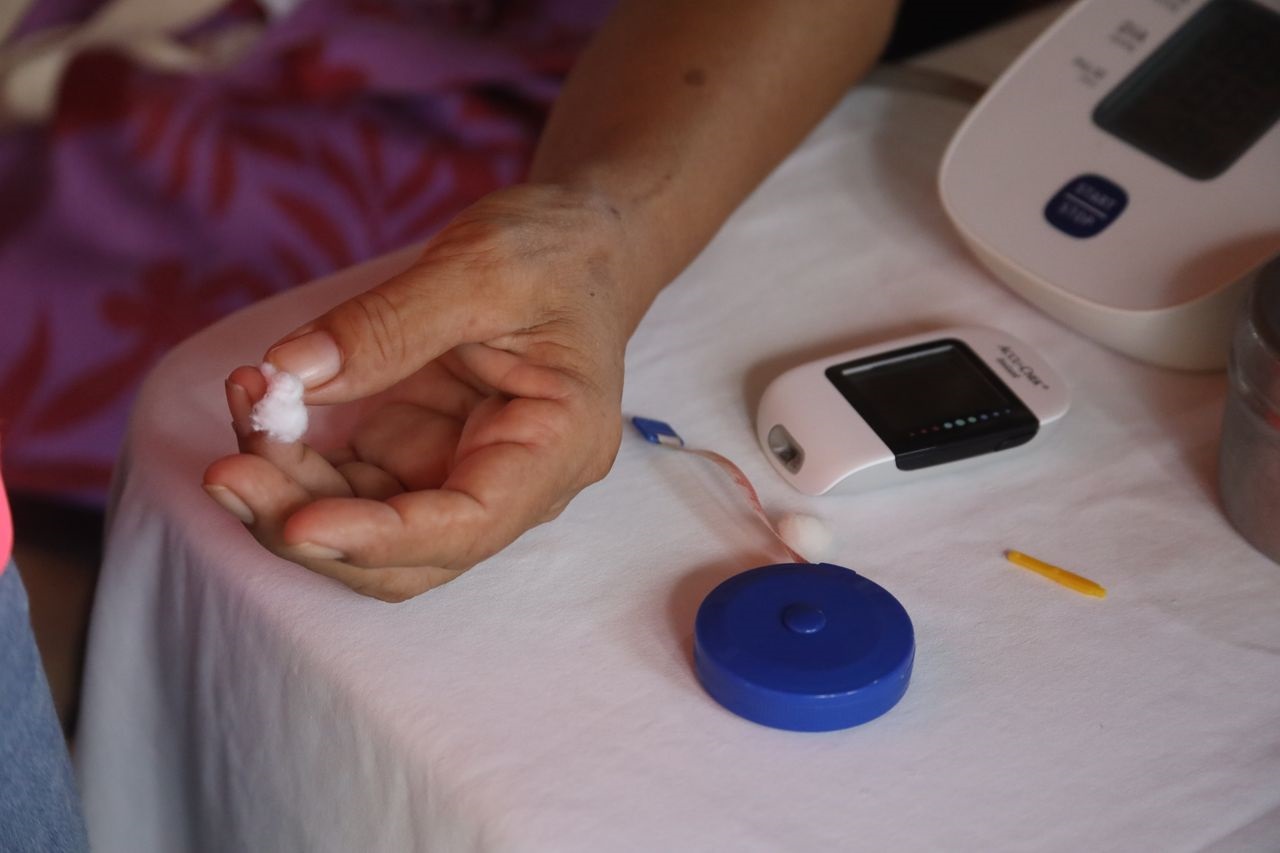
The Connection Between Lifestyle Choices and Chronic Diseases: How Daily Habits Shape Long-Term Health
Chronic diseases are among the leading causes
of illness, disability, and premature death worldwide. Conditions such as heart
disease, type 2 diabetes, hypertension, obesity, stroke, and certain forms of
cancer affect millions of people each year. While genetics and age play
important roles, research consistently shows that daily lifestyle choices have
a major influence on the development and progression of these diseases.
The foods we eat, the amount of physical
activity we engage in, how well we sleep, and how effectively we manage stress
all contribute to our overall health. Small decisions made every day can either
increase or decrease the risk of chronic illness over time.
Understanding the connection between lifestyle
choices and chronic diseases empowers individuals to take proactive steps
toward prevention, healthier living, and improved quality of life.
Understanding
the Topic
A chronic disease is a long-lasting health
condition that often develops gradually and may persist for months, years, or
even a lifetime. Unlike acute illnesses, chronic diseases typically require
ongoing management and lifestyle modifications.
Common chronic diseases include:
- Heart
disease
- Type 2
diabetes
- Hypertension
- Obesity
- Chronic
respiratory diseases
- Certain
cancers
- Osteoarthritis
- Chronic
kidney disease
Many of these conditions are strongly
influenced by lifestyle factors, making prevention and early intervention
essential components of modern healthcare.
Why This
Health Issue Matters Today
Modern lifestyles have changed significantly
over the past few decades. Advances in technology, increased urbanization,
processed food consumption, and sedentary work environments have created new
health challenges.
Today, many individuals experience:
- Limited
physical activity
- Poor
dietary habits
- Chronic
stress
- Sleep
deprivation
- Excessive
screen time
- Weight-related
health issues
These factors contribute to the growing global
burden of chronic diseases, placing strain on healthcare systems and affecting
individuals' quality of life.
Preventive healthcare and health education
have become increasingly important in addressing these challenges.
Common
Causes and Risk Factors
Several lifestyle-related factors increase the
risk of chronic diseases.
Poor
Nutrition
Diets high in processed foods, sugar, sodium,
and unhealthy fats can contribute to obesity, hypertension, and cardiovascular
disease.
Physical
Inactivity
Insufficient movement weakens cardiovascular
fitness, reduces metabolic efficiency, and increases disease risk.
Chronic
Stress
Persistent stress may affect hormone balance,
blood pressure, immune function, and mental health.
Inadequate
Sleep
Poor sleep quality can interfere with
metabolism, emotional regulation, and overall physical recovery.
Tobacco Use
Smoking remains one of the most significant
preventable causes of chronic disease and premature death.
Excessive
Alcohol Consumption
Frequent heavy drinking can negatively affect
the liver, heart, brain, and immune system.
Signs
and Symptoms
The early signs of chronic disease may be
subtle and easy to overlook.
Common warning signs include:
- Persistent
fatigue
- Unexplained
weight changes
- Elevated
blood pressure
- Frequent
headaches
- Increased
thirst
- Shortness
of breath
- Sleep
disturbances
- Joint
discomfort
- Reduced
physical endurance
- Difficulty
concentrating
Recognizing these symptoms early can improve
treatment outcomes and reduce complications.
Physical
and Mental Health Effects
Physical
Health Effects
Lifestyle-related chronic diseases can impact
multiple body systems.
Potential effects include:
- Reduced
mobility
- Cardiovascular
complications
- Metabolic
dysfunction
- Weakened
immunity
- Chronic
pain
- Organ
damage
Mental
Health Effects
Living with chronic disease can also affect
emotional wellbeing.
Common mental health impacts include:
- Anxiety
- Depression
- Stress
- Reduced
self-confidence
- Emotional
exhaustion
- Social
withdrawal
Physical and mental health are closely
interconnected, highlighting the importance of comprehensive wellness
approaches.
Long-Term
Health Risks
When unhealthy lifestyle choices continue over
many years, serious health complications can develop.
Heart
Disease
Poor diet, inactivity, smoking, and chronic
stress significantly increase cardiovascular risk.
Type 2
Diabetes
Excess weight and poor dietary habits
contribute to insulin resistance and impaired blood sugar control.
Hypertension
High blood pressure often develops silently
and increases the risk of heart attack and stroke.
Obesity
Obesity is associated with numerous chronic
conditions, including diabetes, heart disease, and joint disorders.
Certain
Cancers
Lifestyle factors such as smoking, poor diet,
obesity, and alcohol use may increase cancer risk.
Reduced
Quality of Life
Chronic diseases can limit independence,
productivity, and overall wellbeing.
Practical
Daily Solutions
Fortunately, many chronic diseases can be
prevented or managed through healthier daily habits.
Improve
Nutrition
Focus on:
- Fruits
and vegetables
- Whole
grains
- Lean
proteins
- Healthy
fats
- Adequate
hydration
Limit highly processed foods and sugary
beverages.
Increase
Physical Activity
Aim for regular movement through:
- Walking
- Cycling
- Swimming
- Strength
training
- Recreational
sports
Prioritize
Sleep
Healthy sleep habits support hormone
regulation, metabolism, and immune function.
Manage
Stress
Effective stress-management strategies
include:
- Meditation
- Deep
breathing
- Yoga
- Mindfulness
- Social
support
Avoid
Harmful Substances
Reducing tobacco use and limiting alcohol
consumption can significantly lower disease risk.
Prevention
and Healthy Habits
Preventive healthcare focuses on reducing
disease risk before serious complications develop.
Maintain a
Healthy Weight
Healthy body weight supports cardiovascular
and metabolic health.
Schedule
Routine Checkups
Regular health screenings can detect risk
factors early.
Stay
Physically Active
Consistent exercise remains one of the most
effective disease-prevention tools.
Follow a
Balanced Diet
Nutritious foods help support long-term health
and disease prevention.
Protect
Mental Wellness
Managing stress and maintaining emotional
wellbeing are essential components of overall health.
Expert
Wellness Tips
Healthcare experts often recommend these
practical approaches:
Build
Sustainable Habits
Long-term success comes from consistent
routines rather than temporary solutions.
Focus on
Prevention
Addressing risk factors early can prevent
serious complications later.
Monitor Key
Health Indicators
Track blood pressure, cholesterol levels,
blood sugar, and body weight regularly.
Stay
Educated
Understanding health risks empowers better
decision-making.
Create a
Supportive Environment
Healthy habits are easier to maintain when
supported by family, friends, and workplace culture.
Best
Habits for Families and Working Professionals
For
Families
Healthy family practices include:
- Preparing
nutritious meals together
- Encouraging
physical activity
- Maintaining
regular sleep schedules