Mindfulness Practices Gain Popularity for Stress Relief: How Simple Techniques Are Supporting Mental Wellness
As modern lifestyles become increasingly fast-paced and demanding, many individuals are turning to mindfulness practices as a practical way to manage stress and improve overall well-being. Techniques such as meditation, deep breathing exercises, mindful movement, and relaxation practices are gaining widespread popularity among people seeking healthier ways to cope with everyday pressures.
Mental health professionals and wellness experts say mindfulness can help individuals become more aware of their thoughts, emotions, and surroundings without becoming overwhelmed by them. As awareness of mental health continues to grow, mindfulness is increasingly being recognized as an accessible tool that supports emotional balance, focus, and resilience.
From workplaces and schools to healthcare settings and personal wellness routines, mindfulness practices are becoming a common part of daily life. Experts believe this growing trend reflects a broader shift toward preventive mental health and holistic well-being.
Understanding Mindfulness
Mindfulness is the practice of paying attention to the present moment with awareness and acceptance. Rather than focusing on past experiences or future concerns, mindfulness encourages individuals to engage fully with what is happening in the present.
Experts explain that mindfulness is not about eliminating thoughts or emotions. Instead, it involves observing them without judgment and responding more thoughtfully to life's challenges.
Common mindfulness practices include:
Meditation
Deep breathing exercises
Guided relaxation
Mindful walking
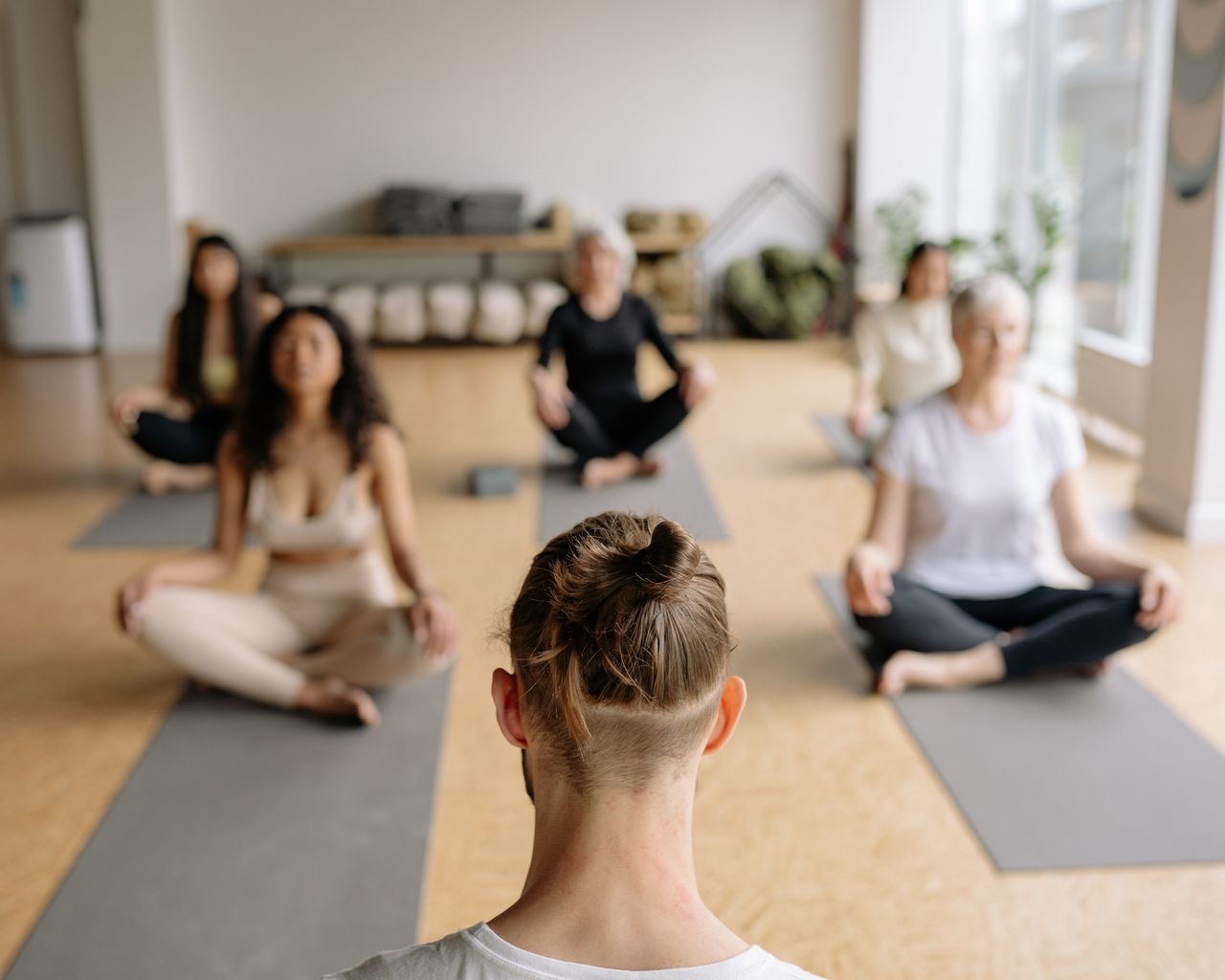
Yoga and mindful movement
Gratitude exercises
Body scan techniques
These practices can be adapted to suit different lifestyles, making mindfulness accessible to people of all ages.
Why Mindfulness Is Becoming More Popular
Increasing Stress Levels
One of the primary reasons for the growing popularity of mindfulness is the rising prevalence of stress.
Modern challenges such as:
Work pressures
Academic demands
Financial concerns
Family responsibilities
Digital overload
can contribute to mental fatigue and emotional strain.
Experts say mindfulness offers a practical way to manage these stressors and improve emotional well-being.
Growing Mental Health Awareness
As conversations around mental health become more open, individuals are exploring preventive approaches that support emotional wellness.
Mindfulness is increasingly viewed as a proactive strategy for maintaining mental health rather than simply addressing problems after they arise.
Accessibility and Simplicity
Unlike some wellness interventions that require specialized equipment or facilities, mindfulness practices can often be performed anywhere.
Many people appreciate that mindfulness can be practiced:
At home
At work
During travel
Outdoors
As part of a daily routine
This convenience has contributed significantly to its popularity.
Digital Wellness Trends
The wellness industry has embraced mindfulness through mobile applications, online programs, and virtual meditation sessions.
Technology has made mindfulness resources more accessible, encouraging greater participation across different age groups.
Key Benefits of Mindfulness Practices
Helps Reduce Stress
Stress reduction remains one of the most widely recognized benefits of mindfulness.
Mental health experts suggest that mindfulness may help individuals:
Manage daily pressures
Reduce emotional reactivity
Improve coping abilities
Develop greater self-awareness
Regular practice can create opportunities for relaxation and mental recovery.
Improves Focus and Concentration
Mindfulness encourages attention to the present moment, which can help improve concentration and mental clarity.
Professionals, students, and individuals managing busy schedules often use mindfulness techniques to support productivity and focus.
Supports Emotional Well-Being
Mindfulness can help individuals better understand and manage their emotions.
Experts note that regular practice may contribute to:
Emotional balance
Increased self-awareness
Greater resilience
Improved mood
These benefits can positively influence both personal and professional life.
Encourages Better Sleep
Many individuals incorporate mindfulness practices into their evening routines to promote relaxation before bedtime.
Relaxation techniques and breathing exercises may help calm the mind and support healthier sleep habits.
Promotes Overall Wellness
Mindfulness is increasingly being integrated into broader wellness programs because of its potential benefits for both mental and physical health.
When combined with healthy lifestyle habits, mindfulness can contribute to improved quality of life and overall well-being.
Expert Opinions and Insights
Mental health professionals emphasize that mindfulness should not be viewed as a quick solution to life's challenges. Instead, it is a skill that develops through consistent practice and patience.
Experts recommend starting with simple techniques and gradually building mindfulness into daily routines. Even a few minutes of focused breathing or meditation each day can help individuals become more aware of their mental and emotional states.
Healthcare providers also note that mindfulness may complement other wellness strategies such as regular exercise, healthy nutrition, quality sleep, and professional mental health support.
Many experts believe that mindfulness is particularly valuable because it encourages individuals to develop healthier relationships with stress rather than attempting to avoid it entirely.
Common Challenges and Concerns
Difficulty Maintaining Consistency
Many people struggle to establish a regular mindfulness practice due to busy schedules and competing responsibilities.
Experts suggest beginning with short sessions and gradually increasing practice time as mindfulness becomes part of a routine.
Unrealistic Expectations
Some individuals expect immediate results from mindfulness practices.
Mental health professionals emphasize that mindfulness is most effective when approached as a long-term wellness habit rather than a quick fix.
Distractions During Practice
It is common for the mind to wander during meditation or breathing exercises.
Experts explain that noticing distractions and gently returning attention to the present moment is a normal part of the mindfulness process.
Lack of Awareness About Techniques
Some individuals may feel uncertain about where to begin.
Fortunately, many beginner-friendly resources and guided practices are available through wellness platforms and community programs.
Practical Tips for Practicing Mindfulness
Start With Deep Breathing
Simple breathing exercises can help individuals become more aware of the present moment and reduce feelings of tension.
Practice Short Meditation Sessions
Beginning with five to ten minutes of meditation each day can help build consistency and confidence.
Incorporate Mindfulness Into Daily Activities
Mindfulness can be practiced while:
Walking
Eating
Exercising
Working
Spending time outdoors
Focusing fully on the activity can help strengthen mindfulness skills.
Reduce Digital Distractions
Setting aside dedicated time away from screens may improve focus and support mindfulness practice.
Create a Calm Environment
A quiet and comfortable space can make mindfulness exercises more effective and enjoyable.
Future Trends in Mindfulness and Wellness
Workplace Mindfulness Programs
Organizations are increasingly introducing mindfulness initiatives to support employee well-being, stress management, and productivity.
Integration Into Healthcare
Healthcare providers are incorporating mindfulness-based approaches into wellness and preventive health programs.
Growing Adoption Among Younger Generations
Schools, universities, and youth programs are exploring mindfulness techniques to support emotional well-being and resilience.
Technology-Supported Mindfulness
Mobile applications and digital wellness platforms continue to make mindfulness practices more accessible to a wider audience.
Conclusion
Mindfulness practices are gaining popularity as more people seek effective ways to manage stress, improve focus, and support emotional well-being. Techniques such as meditation, breathing exercises, and relaxation practices offer practical tools for navigating the challenges of modern life while promoting greater self-awareness and balance.
As awareness of mental health continues to grow, mindfulness is becoming an important part of preventive wellness strategies across different age groups and lifestyles. While mindfulness is not a substitute for professional care when needed, experts agree that regular practice can be a valuable addition to a healthy lifestyle.
By incorporating simple mindfulness techniques into daily routines, individuals can take meaningful steps toward reducing stress, improving focus, and enhancing their overall quality of life. As wellness trends continue to evolve, mindfulness is likely to remain a key component of modern approaches to mental and emotional well-being.