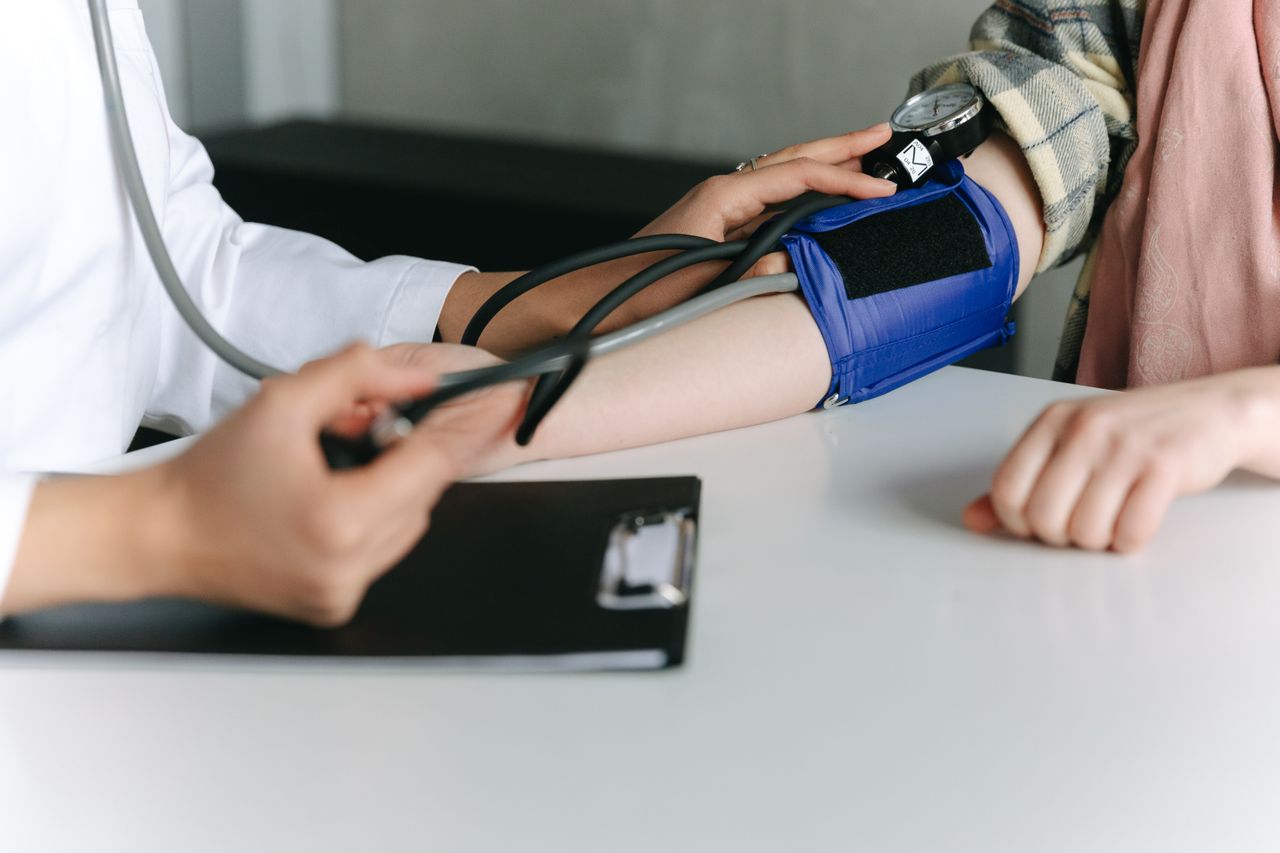
High Blood Pressure Warning Signs You Should Never Ignore: Protecting Your Heart and Overall Health
High blood pressure, also known as hypertension, is one of
the most common health conditions worldwide. What makes it particularly
concerning is that it often develops quietly, without noticeable symptoms. For
this reason, it is frequently referred to as the "silent killer."
Many people may have elevated blood pressure for years
without realizing it. During this time, damage can occur to vital organs such
as the heart, brain, kidneys, and blood vessels. While regular blood pressure
monitoring is the most reliable way to detect hypertension, certain warning
signs and risk factors should never be overlooked.
Understanding these signs and taking preventive action can
play an important role in protecting long-term health and reducing the risk of
serious complications.
What Is High Blood Pressure?
Blood pressure measures the force of blood pushing against
the walls of the arteries as the heart pumps blood throughout the body.
When blood pressure remains consistently elevated, the heart
and blood vessels must work harder than normal. Over time, this increased
strain can contribute to various health problems.
Common factors that may increase blood pressure include:
- Excess
salt intake
- Physical
inactivity
- Obesity
- Chronic
stress
- Smoking
- Excessive
alcohol consumption
- Family
history of hypertension
- Increasing
age
Why High Blood Pressure Is Called a Silent Condition
One of the biggest challenges with hypertension is that many
individuals experience no symptoms at all.
A person may feel completely healthy while elevated blood
pressure gradually damages blood vessels and organs. This is why routine health
screenings are essential, especially for adults with risk factors.
However, in some cases, warning signs may appear when blood
pressure becomes significantly elevated or complications begin to develop.
Warning Signs of High Blood Pressure You Should Never
Ignore
Frequent Headaches
Persistent or recurring headaches may sometimes be
associated with significantly elevated blood pressure.
While headaches can occur for many reasons, sudden or severe
headaches accompanied by other symptoms should not be ignored.
Dizziness or Lightheadedness
Feeling dizzy occasionally is common and may result from
various causes. However, frequent dizziness or unexplained lightheadedness may
warrant medical attention, particularly when combined with other cardiovascular
risk factors.
Shortness of Breath
High blood pressure can place additional strain on the heart
and circulatory system.
Symptoms may include:
- Difficulty
breathing during physical activity
- Reduced
exercise tolerance
- Unexplained
breathlessness
Persistent shortness of breath should always be evaluated by
a healthcare professional.
Blurred or Changes in Vision
Elevated blood pressure may affect the small blood vessels
that supply the eyes.
Possible warning signs include:
- Blurred
vision
- Double
vision
- Temporary
vision disturbances
Vision changes should never be ignored, especially when they
occur suddenly.
Chest Discomfort
Chest pain or discomfort can be associated with several
cardiovascular conditions.
Potential symptoms include:
- Pressure
in the chest
- Tightness
- Unexplained
discomfort during activity
Immediate medical attention may be necessary if chest pain
occurs.
Fatigue and Weakness
Although fatigue is common and often unrelated to blood
pressure, persistent tiredness combined with other symptoms may indicate that
the cardiovascular system is under increased strain.
Irregular Heartbeat
Some individuals with hypertension may experience:
- Palpitations
- Racing
heartbeat
- Irregular
heart rhythms
Any noticeable changes in heart rhythm should be discussed
with a healthcare provider.
Health Risks of Uncontrolled High Blood Pressure
Increased Risk of Heart Disease
High blood pressure is one of the leading risk factors for
heart-related conditions.
Potential complications include:
- Coronary
artery disease
- Heart
failure
- Heart
enlargement
- Reduced
heart function
Maintaining healthy blood pressure supports long-term
cardiovascular wellness.
Greater Risk of Stroke
Elevated blood pressure can damage blood vessels supplying
the brain.
Over time, this may increase the likelihood of:
- Stroke
- Reduced
blood flow to the brain
- Cognitive
decline
Kidney Damage
The kidneys rely on healthy blood vessels to filter waste
effectively.
Uncontrolled hypertension may damage these vessels, reducing
kidney function over time.
Eye Health Complications
The delicate blood vessels in the eyes can also be affected
by chronic hypertension, potentially leading to vision-related problems.
Common Risk Factors for Hypertension
Several lifestyle and health factors can increase the risk
of developing high blood pressure.
Unhealthy Diet
Diets high in:
- Salt
- Processed
foods
- Saturated
fats
- Added
sugars
may contribute to elevated blood pressure levels.
Lack of Physical Activity
Regular exercise helps maintain healthy blood pressure and
supports overall cardiovascular health.
Chronic Stress
Long-term stress may contribute to unhealthy habits and
temporary spikes in blood pressure.
Smoking and Excessive Alcohol Use
Both smoking and excessive alcohol consumption can
negatively affect blood vessel health and blood pressure control.
How to Help Maintain Healthy Blood Pressure
Follow a Heart-Healthy Diet
Focus on:
- Fruits
- Vegetables
- Whole
grains
- Lean
proteins
- Healthy
fats
Reducing sodium intake may also support healthy blood
pressure levels.
Stay Physically Active
Aim for regular physical activity such as:
- Walking
- Cycling
- Swimming
- Yoga
- Strength
training
Exercise supports heart health and blood pressure
management.
Maintain a Healthy Weight
Achieving and maintaining a healthy body weight can
significantly reduce the risk of hypertension.
Manage Stress Effectively
Helpful stress-management techniques include:
- Meditation
- Deep
breathing exercises
- Mindfulness
practices
- Spending
time outdoors
- Quality
sleep
Monitor Blood Pressure Regularly
Routine monitoring allows early detection and management of
elevated blood pressure before complications develop.
When Should You Seek Medical Advice?
Seek professional medical evaluation if you experience:
- Persistent
headaches
- Vision
changes
- Chest
discomfort
- Shortness
of breath
- Frequent
dizziness
- Irregular
heartbeat
Regular health checkups are especially important for
individuals with known risk factors.
Key Takeaways
- High
blood pressure often develops without obvious symptoms.
- Warning
signs may include headaches, dizziness, vision changes, and shortness of
breath.
- Uncontrolled
hypertension increases the risk of heart disease, stroke, and kidney
damage.
- Healthy
lifestyle habits can support blood pressure management.
- Routine
monitoring is one of the most effective ways to detect hypertension early.
Frequently Asked Questions (FAQ)
1. Why is high blood pressure called the silent killer?
Because many people have hypertension without experiencing
noticeable symptoms while damage occurs internally.
2. Can high blood pressure cause headaches?
Severely elevated blood pressure may sometimes contribute to
headaches, although headaches have many possible causes.
3. What is the biggest risk associated with uncontrolled
hypertension?
Major risks include heart disease, stroke, kidney damage,
and blood vessel complications.
4. Can lifestyle changes help lower blood pressure?
Healthy eating, regular exercise, stress management, and
maintaining a healthy weight can all support healthy blood pressure levels.
5. How often should blood pressure be checked?
The frequency depends on age, health status, and individual
risk factors, but regular monitoring is recommended for adults.
Conclusion
High blood pressure is a serious health concern that often
develops quietly, making awareness and prevention especially important.
Although many people experience no symptoms, warning signs such as headaches,
vision changes, dizziness, chest discomfort, and shortness of breath should
never be ignored. Recognizing these signals early can help prevent potentially
life-threatening complications.
Fortunately, maintaining healthy blood pressure is often
supported by simple lifestyle habits, including a balanced diet, regular
physical activity, stress management, and routine health screenings. By paying
attention to cardiovascular health and seeking medical advice when necessary,
individuals can take proactive steps toward protecting their heart, kidneys,
brain, and overall well-being for years to come.