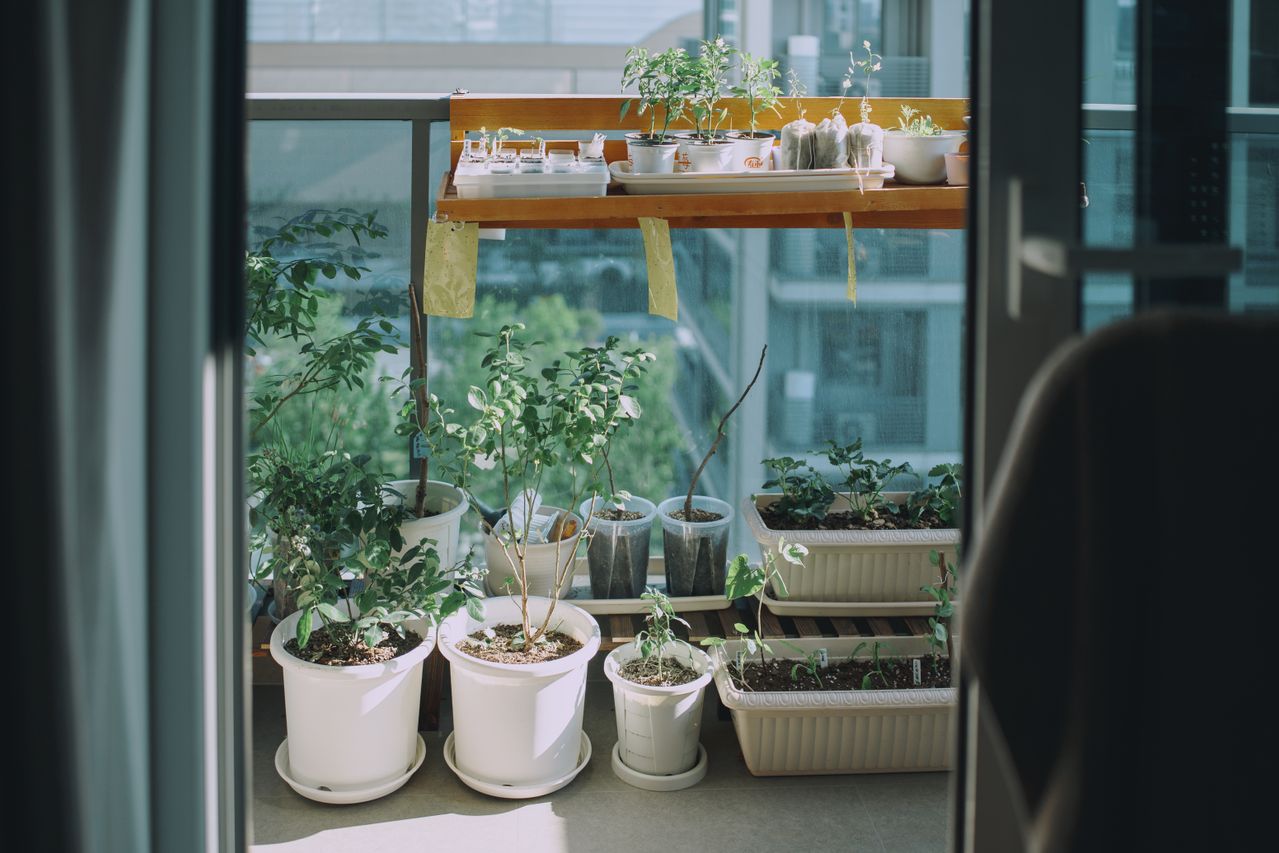
The Growing Popularity of Balcony Gardening in Urban Homes: Benefits, Tips,
and Why More People Are Embracing Green Living
As cities continue to grow and living spaces become
increasingly compact, many urban residents are searching for ways to reconnect
with nature. One trend that has gained remarkable popularity in recent years is
balcony gardening. What was once considered a hobby for gardening enthusiasts
has now become a lifestyle choice embraced by apartment dwellers, working
professionals, retirees, and families alike.
From growing fresh herbs and vegetables to creating
beautiful green retreats, balcony gardens are transforming small outdoor spaces
into vibrant, functional environments. Beyond their aesthetic appeal, these
mini gardens offer numerous physical, mental, and environmental benefits.
With increasing awareness of sustainable living and the
desire for healthier lifestyles, balcony gardening is quickly becoming an
essential feature of modern urban homes.
Why Balcony Gardening Is Becoming So Popular
Limited Space in Urban Areas
One of the primary reasons behind the rise of balcony
gardening is the lack of traditional garden space in cities. Many people live
in apartments where balconies may be the only available outdoor area.
Rather than leaving these spaces unused, homeowners and
renters are transforming them into productive green zones that add beauty and
functionality to their homes.
Growing Interest in Sustainable Living
Modern consumers are becoming more conscious about
sustainability and environmental responsibility. Growing herbs, vegetables, and
flowering plants at home helps reduce dependence on commercially transported
produce while encouraging eco-friendly habits.
Even a small balcony garden can contribute to a greener
lifestyle.
The Desire to Reconnect With Nature
Busy urban lifestyles often limit people's interaction with
natural environments. Balcony gardening provides a convenient way to enjoy
greenery without leaving home.
For many individuals, spending time among plants creates a
sense of calm and balance that is often missing from city living.
Health Benefits of Balcony Gardening
Supports Mental Well-Being
Gardening is often associated with relaxation and stress
relief. Caring for plants requires focus and mindfulness, which can help people
temporarily disconnect from work pressures and daily stressors.
Benefits may include:
- Reduced
stress levels
- Improved
mood
- Greater
sense of accomplishment
- Enhanced
relaxation
- Increased
connection to nature
Many people find that even a few minutes spent tending to
plants can improve their overall outlook.
Encourages Physical Activity
Although balcony gardening may not be as physically
demanding as traditional gardening, it still encourages movement.
Activities such as:
- Watering
plants
- Repotting
containers
- Trimming
leaves
- Rearranging
pots
- Cleaning
the balcony
can contribute to daily physical activity and help reduce
sedentary behavior.
Promotes Healthier Eating Habits
Growing edible plants encourages people to incorporate fresh
ingredients into their meals.
Popular balcony-grown foods include:
- Mint
- Coriander
- Basil
- Tomatoes
- Chilies
- Spinach
- Lettuce
Having easy access to fresh produce often motivates
healthier food choices and home cooking.
Lifestyle Benefits of Balcony Gardening
Creates a Personal Green Retreat
Urban environments can often feel crowded and stressful. A
balcony garden provides a peaceful escape where individuals can relax, read,
meditate, or enjoy a morning cup of tea.
A thoughtfully designed balcony can become an extension of
the living space.
Improves Home Aesthetics
Plants naturally enhance visual appeal and make homes feel
more welcoming.
A balcony filled with greenery can:
- Add
color and texture
- Improve
curb appeal
- Create
a refreshing atmosphere
- Increase
enjoyment of outdoor spaces
Even small balconies can be transformed into attractive
lifestyle spaces with the right plant selection.
Supports Sustainable Living Goals
Balcony gardening aligns with several eco-friendly
practices, including:
- Growing
food locally
- Reducing
waste
- Composting
organic materials
- Supporting
biodiversity
- Reducing
environmental impact
For environmentally conscious individuals, gardening offers
a practical way to contribute to sustainability efforts.
Best Plants for Balcony Gardens
Herbs for Beginners
Herbs are among the easiest plants to grow in limited
spaces.
Popular choices include:
- Basil
- Mint
- Parsley
- Coriander
- Oregano
These plants require relatively little maintenance and can
be used regularly in cooking.
Flowering Plants
Flowers can add color and attract pollinators such as bees
and butterflies.
Examples include:
- Marigolds
- Petunias
- Geraniums
- Roses
- Jasmine
Vegetables and Fruits
Many vegetables can thrive in containers.
Suitable options include:
- Tomatoes
- Chilies
- Lettuce
- Spinach
- Beans
- Strawberries
Container gardening allows even small balconies to become
productive growing spaces.
Common Challenges of Balcony Gardening
Limited Sunlight
Not all balconies receive the same amount of sunlight.
Before selecting plants, observe how much sunlight your
balcony receives each day. Choose shade-loving or sun-loving plants
accordingly.
Overwatering
One of the most common mistakes beginners make is watering
too frequently.
Signs of overwatering may include:
- Yellow
leaves
- Root
rot
- Mold
growth
- Wilting
despite moist soil
Understanding each plant's watering requirements is
essential for healthy growth.
Pest Problems
Even urban balconies can attract pests such as aphids and
mealybugs.
Preventive measures include:
- Inspecting
plants regularly
- Removing
damaged leaves
- Ensuring
proper airflow
- Using
natural pest-control methods when needed
Practical Tips for Starting a Balcony Garden
Start Small
Beginners should avoid purchasing too many plants at once.
Starting with a few easy-to-maintain varieties helps build
confidence and gardening skills.
Choose the Right Containers
Select containers with proper drainage holes to prevent
water accumulation and root damage.
Container size should match the growth requirements of each
plant.
Use Quality Potting Mix
A nutrient-rich potting mix supports healthy root
development and plant growth.
Avoid using heavy garden soil that may not drain well in
containers.
Understand Sunlight Needs
Different plants require different amounts of sunlight.
Research plant requirements and place containers accordingly
to maximize growth.
Maintain a Routine
Consistency is key to successful gardening.
Regular tasks include:
- Watering
- Fertilizing
- Pruning
- Monitoring
for pests
- Cleaning
dead leaves
A simple routine helps keep plants healthy year-round.
The Future of Urban Gardening
As cities become more densely populated, urban gardening is
expected to continue growing in popularity. Balcony gardens offer a practical
solution for people who want to enjoy greenery despite limited space.
With increasing interest in sustainability, wellness, and
self-sufficiency, more households are likely to embrace gardening as part of a
healthier lifestyle.
The trend reflects a broader movement toward reconnecting
with nature while enhancing daily living experiences.
Key Takeaways
- Balcony
gardening is becoming increasingly popular in urban homes.
- It
allows city residents to enjoy nature despite limited outdoor space.
- Gardening
may support mental well-being, physical activity, and healthier eating
habits.
- Herbs,
vegetables, and flowering plants can thrive in balcony containers.
- Proper
sunlight, watering, and maintenance are essential for success.
- Balcony
gardens contribute to sustainable and eco-friendly living.
Frequently Asked Questions (FAQ)
1. Can I start a balcony garden in a small apartment?
Yes. Even a small balcony can accommodate herbs, flowers,
and vegetables using containers and vertical gardening techniques.
2. Which plants are easiest for beginners?
Mint, basil, coriander, marigolds, and tomatoes are often
recommended for beginner gardeners.
3. How much sunlight does a balcony garden need?
Most edible plants require at least 4–6 hours of sunlight
daily, although some plants can tolerate partial shade.
4. Is balcony gardening expensive?
It can be budget-friendly. Starting with a few pots, basic
tools, and easy-to-grow plants keeps costs manageable.
5. Can balcony gardening improve mental health?
Many people find gardening relaxing and enjoyable, which may
help reduce stress and promote emotional well-being.
Conclusion
Balcony gardening is much more than a passing trend—it
represents a growing desire among urban residents to create healthier, greener,
and more sustainable living spaces. In a world where many people spend most of
their time indoors, even a modest collection of plants can bring a sense of
nature into everyday life.
From improving mental well-being and encouraging physical
activity to supporting sustainable habits and enhancing home aesthetics,
balcony gardens offer benefits that extend far beyond simple decoration.
Whether you have a spacious terrace or a compact apartment balcony, starting a
small garden can be a rewarding step toward a more balanced and fulfilling
lifestyle. As urban living continues to evolve, balcony gardening is likely to
remain an important part of modern, wellness-focused homes.