Fiber-Rich Diets Continue to Gain Support: Why Nutrition Experts Recommend More Fiber for Better Health
Nutrition experts continue to highlight the importance of fiber as a key component of a healthy and balanced diet. As awareness of preventive healthcare and wellness grows, fiber-rich diets are receiving increased attention for their potential benefits in supporting digestive health, heart wellness, weight management, and overall well-being.
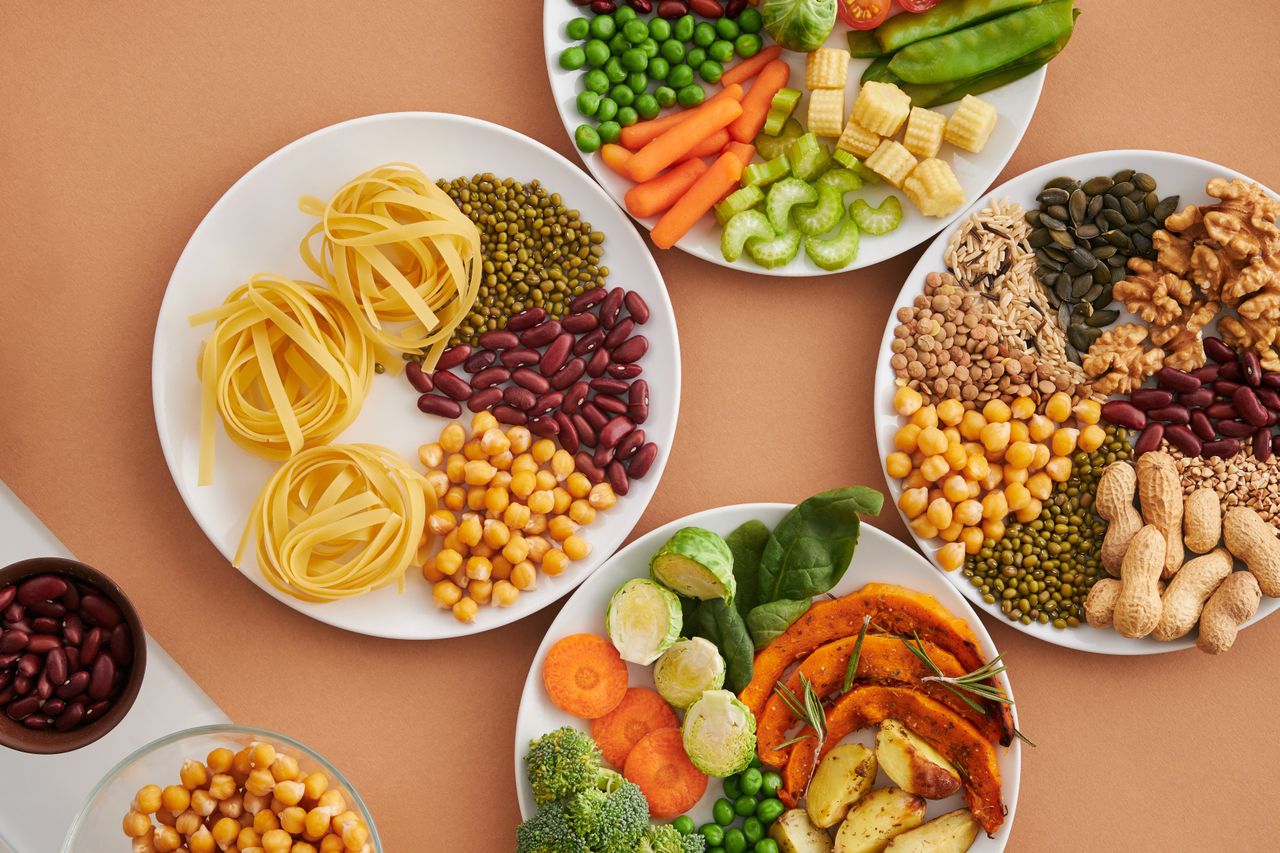
Found naturally in foods such as fruits, vegetables, legumes, nuts, seeds, and whole grains, dietary fiber plays a vital role in maintaining healthy bodily functions. Despite its importance, health professionals report that many people still consume less fiber than recommended, making dietary improvement a priority for public health initiatives.
Recent nutrition trends show that consumers are becoming more interested in nutrient-dense foods that support long-term wellness rather than short-term dietary trends. As a result, fiber-rich eating patterns are increasingly being recognized as a practical and sustainable approach to healthy living.
Understanding Dietary Fiber
Dietary fiber is a type of carbohydrate found in plant-based foods that the body cannot fully digest. Unlike other carbohydrates that are broken down and absorbed for energy, fiber passes through the digestive system and supports various aspects of health.
Nutrition experts generally classify fiber into two main categories:
Soluble Fiber
Soluble fiber dissolves in water and forms a gel-like substance in the digestive tract.
Common sources include:
Oats
Apples
Citrus fruits
Beans
Lentils
Barley
Insoluble Fiber
Insoluble fiber adds bulk to stool and supports regular digestion.
Common sources include:
Whole grains
Vegetables
Nuts
Seeds
Wheat bran
Both types of fiber contribute to overall health and are important components of a balanced diet.
Why Fiber-Rich Diets Are Gaining Attention
Growing Awareness of Digestive Health
Digestive wellness has become a major focus in health and nutrition discussions.
Experts emphasize that a healthy digestive system plays an important role in overall wellness, nutrient absorption, and daily comfort. Fiber is widely recognized for supporting healthy digestion and regular bowel function.
Increased Focus on Preventive Nutrition
Consumers are becoming more proactive about maintaining health through everyday dietary choices.
Rather than waiting for health concerns to develop, many individuals are choosing foods that support long-term wellness. Fiber-rich foods align well with this preventive approach to nutrition.
Demand for Whole Foods
The growing popularity of minimally processed foods has also contributed to increased interest in fiber.
Many whole foods naturally contain significant amounts of dietary fiber, making them attractive options for health-conscious consumers.
Interest in Sustainable Healthy Eating
Unlike restrictive diets that may be difficult to maintain, increasing fiber intake is often viewed as a realistic and sustainable nutrition strategy.
Key Benefits of Fiber-Rich Diets
Supports Digestive Health
One of the most well-known benefits of fiber is its positive effect on digestion.
Fiber helps:
Promote regular bowel movements
Support healthy digestive function
Improve stool consistency
Maintain gut wellness
Nutrition specialists frequently recommend increasing fiber intake as part of a digestive health strategy.
Supports Gut Microbiome Health
Research continues to highlight the importance of the gut microbiome in overall health.
Certain types of fiber serve as food for beneficial gut bacteria, helping maintain a healthy balance within the digestive system.
A healthy gut microbiome may contribute to improved digestion and overall wellness.
Helps Support Healthy Weight Management
Fiber-rich foods are often more filling than highly processed alternatives.
Because fiber slows digestion and promotes satiety, individuals may feel fuller for longer periods after meals.
This can support healthier eating habits and balanced calorie intake.
Supports Heart Health
Many healthcare professionals recommend fiber as part of a heart-healthy eating pattern.
Research suggests that fiber-rich foods may contribute to:
Healthy cholesterol management
Improved cardiovascular wellness
Better dietary quality
Whole grains, fruits, vegetables, and legumes are frequently included in heart-healthy nutrition plans.
Promotes Stable Energy Levels
Foods rich in fiber often provide more gradual energy release compared to heavily processed products.
This can help support sustained energy throughout the day and reduce fluctuations in hunger levels.
Expert Opinions and Insights
Nutrition professionals consistently encourage individuals to increase fiber intake through whole food sources rather than relying solely on supplements.
Experts recommend focusing on:
Fruits
Vegetables
Whole grains
Legumes
Nuts
Seeds
as primary sources of dietary fiber.
Dietitians also emphasize the importance of increasing fiber gradually. Sudden increases may cause digestive discomfort for some individuals.
Healthcare providers advise combining higher fiber intake with adequate hydration to support healthy digestion.
Many experts view fiber as one of the most underappreciated nutrients in modern diets despite its wide-ranging health benefits.
Common Challenges and Concerns
Low Fiber Intake
Many people consume fewer fruits, vegetables, and whole grains than recommended, resulting in insufficient fiber intake.
Highly processed convenience foods often contain significantly less fiber than whole food alternatives.
Digestive Discomfort During Dietary Changes
Increasing fiber intake too quickly may cause temporary bloating or digestive discomfort.
Experts recommend making gradual dietary adjustments to allow the digestive system to adapt.
Lack of Nutrition Awareness
Some individuals may not fully understand which foods provide substantial amounts of fiber.
Nutrition education continues to play an important role in helping consumers make informed dietary choices.
Preference for Processed Foods
Busy lifestyles and convenience often lead people toward lower-fiber food options.
Health professionals encourage incorporating simple fiber-rich foods into everyday meals and snacks.
Practical Tips for Increasing Fiber Intake
Add More Fruits and Vegetables
Including fruits and vegetables at every meal can significantly increase daily fiber consumption.
Choose Whole Grains
Replace refined grains with:
Brown rice
Whole wheat bread
Oats
Quinoa
Whole grain cereals
whenever possible.
Include Legumes Regularly
Beans, lentils, and chickpeas are excellent sources of fiber and plant-based protein.
Snack on Fiber-Rich Foods
Healthy snack options include:
Fresh fruit
Nuts
Seeds
Vegetables with hummus
Increase Fiber Gradually
Experts recommend slowly increasing fiber intake while drinking adequate water to support digestion.
Future Trends in Fiber and Nutrition
Greater Focus on Gut Health
As research on the gut microbiome expands, fiber is expected to remain a key topic in nutrition and wellness discussions.
Increased Demand for Whole Food Nutrition
Consumers continue to prioritize minimally processed foods that naturally contain fiber and other essential nutrients.
Nutrition Education Initiatives
Healthcare organizations are investing more resources in public education about the benefits of fiber-rich diets and balanced nutrition.
Personalized Nutrition Approaches
Advances in nutrition science may allow for more individualized dietary recommendations based on digestive health and wellness goals.
Conclusion
Fiber-rich diets continue to gain support from nutrition specialists as awareness grows about the importance of digestive health, balanced nutrition, and preventive wellness. Found naturally in fruits, vegetables, legumes, nuts, seeds, and whole grains, fiber provides a wide range of benefits that support overall health.
From promoting healthy digestion and supporting gut wellness to encouraging healthy eating habits and heart health, fiber remains one of the most valuable components of a nutritious diet. Despite these benefits, many individuals still consume less fiber than recommended, highlighting the need for greater nutrition awareness and dietary improvement.
As consumers increasingly seek sustainable approaches to healthy living, fiber-rich diets are expected to remain a cornerstone of modern nutrition. By making simple changes and incorporating more whole foods into daily meals, individuals can support long-term wellness and enjoy the many benefits of a high-fiber lifestyle.