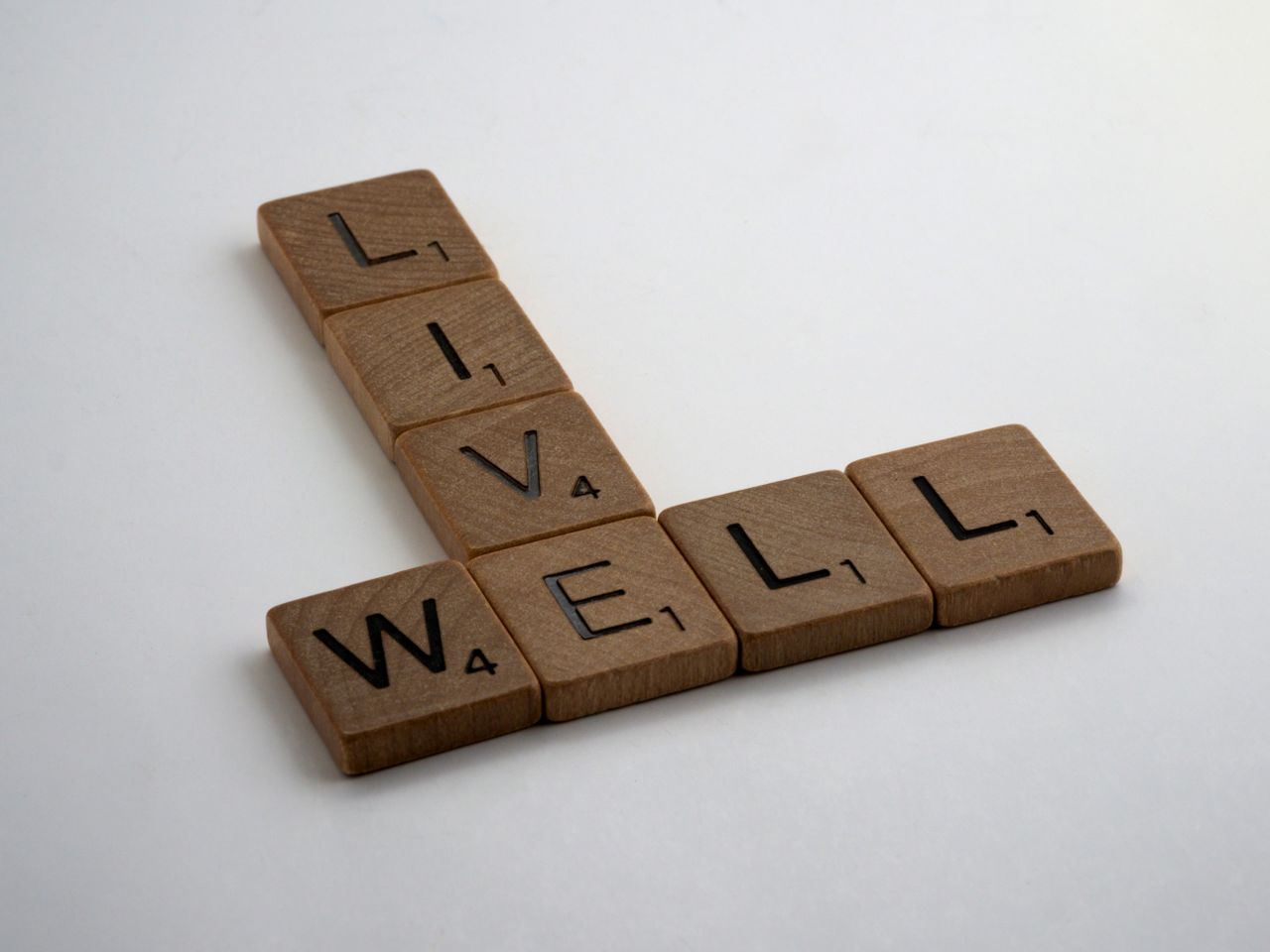
Creating a Balanced Lifestyle for Better Well-Being
Modern life often feels fast, demanding, and overwhelming.
Between work responsibilities, family commitments, digital distractions,
financial pressures, and personal goals, many people struggle to maintain
balance in their daily lives. As routines become busier, health and wellbeing
are frequently neglected, leading to stress, fatigue, poor sleep, emotional
burnout, and lifestyle-related health problems.
Creating a balanced lifestyle is one of the most important
foundations for long-term physical and mental wellness. A balanced lifestyle
does not mean living perfectly or avoiding responsibilities. Instead, it means
developing healthy routines that support the body, mind, emotions,
relationships, and overall quality of life.
Healthy living involves much more than diet and exercise
alone. It includes stress management, emotional wellbeing, sleep quality,
work-life balance, healthy relationships, physical activity, proper nutrition,
and preventive healthcare awareness. When these areas are balanced effectively,
individuals often experience improved energy, better emotional stability,
stronger immunity, increased productivity, and reduced risk of chronic
diseases.
This article explores the importance of creating a balanced
lifestyle for better wellbeing and provides practical strategies for
maintaining healthier routines in everyday life.
Understanding a Balanced Lifestyle
A balanced lifestyle refers to maintaining harmony between
different aspects of life that influence overall wellbeing. It focuses on
creating routines that support both physical and emotional health without
causing burnout or imbalance.
A healthy and balanced lifestyle usually includes:
- Nutritious
eating habits
- Regular
physical activity
- Quality
sleep
- Emotional
self-care
- Healthy
relationships
- Stress
management
- Productivity
balance
- Time
for relaxation and recreation
- Preventive
healthcare practices
Balance helps individuals function more effectively while
protecting long-term health and emotional stability.
Why This Health Issue Matters Today
Modern lifestyles have significantly increased stress levels
and unhealthy behaviors across all age groups. Many individuals spend long
hours working, sitting, or using digital devices while neglecting sleep,
nutrition, movement, and emotional wellness.
As a result, lifestyle-related health concerns are becoming
increasingly common, including:
- Obesity
- Hypertension
- Diabetes
- Anxiety
and depression
- Sleep
disorders
- Emotional
exhaustion
- Chronic
stress
- Poor
work-life balance
Healthcare experts now strongly emphasize preventive
wellness because many physical and mental health conditions are influenced by
daily lifestyle patterns.
Creating a balanced lifestyle helps reduce these risks while
improving overall quality of life.
Common Causes and Risk Factors of Lifestyle Imbalance
Several modern habits contribute to unhealthy and unbalanced
living.
Excessive Work Stress
Long working hours and continuous pressure can affect
emotional wellbeing and physical health.
Poor Time Management
Lack of routine and organization may increase stress and
reduce healthy self-care practices.
Sedentary Lifestyle
Limited physical movement negatively affects cardiovascular
health, posture, and energy levels.
Unhealthy Eating Habits
Frequent fast food consumption and irregular eating patterns
can contribute to obesity and nutritional deficiencies.
Sleep Deprivation
Poor sleep schedules affect immunity, mood, concentration,
and hormonal balance.
Digital Overload
Excessive screen time can increase stress, reduce
productivity, and negatively affect mental wellness.
Signs and Symptoms of an Unbalanced Lifestyle
The body and mind often show warning signs when balance is
lacking.
Common symptoms include:
- Constant
fatigue
- Mood
swings
- Poor
concentration
- Sleep
problems
- Increased
stress and anxiety
- Weight
changes
- Lack
of motivation
- Emotional
exhaustion
- Frequent
headaches
- Reduced
productivity
Ignoring these signs may eventually lead to long-term health
complications.
Physical and Mental Health Effects
Lifestyle imbalance affects both physical and emotional
wellbeing.
Physical Health Effects
Unhealthy routines may contribute to:
- Weak
immunity
- Weight
gain
- High
blood pressure
- Digestive
problems
- Reduced
energy levels
- Increased
inflammation
Mental Health Effects
An imbalanced lifestyle can lead to:
- Anxiety
and stress
- Burnout
- Emotional
instability
- Depression
symptoms
- Poor
focus and memory
- Social
withdrawal
Physical and mental wellness are deeply connected, making
balance essential for overall health.
Long-Term Health Risks
If unhealthy routines continue for long periods, they may
increase the risk of chronic illnesses and emotional disorders.
Potential long-term risks include:
- Heart
disease
- Diabetes
- Obesity
- Hypertension
- Chronic
stress disorders
- Sleep
disorders
- Depression
and anxiety
- Reduced
life expectancy
Balanced living helps reduce these risks naturally through
preventive wellness practices.
Practical Daily Solutions for Better Well-Being
Improving wellbeing often begins with simple and sustainable
lifestyle changes.
Prioritize Healthy Nutrition
Choose balanced meals that include:
- Fruits
and vegetables
- Whole
grains
- Lean
proteins
- Healthy
fats
- Fiber-rich
foods
Avoid excessive processed foods and sugary snacks.
Stay Physically Active
Regular exercise supports:
- Heart
health
- Weight
management
- Stress
reduction
- Better
sleep
- Improved
mood
Simple activities such as walking, stretching, yoga, or
cycling can improve overall wellness.
Improve Sleep Quality
Maintain consistent sleep routines and avoid excessive
screen exposure before bedtime.
Practice Stress Management
Mindfulness, meditation, journaling, deep breathing, and
relaxation activities can help reduce stress.
Create Healthy Daily Routines
Structured schedules improve productivity and emotional
balance while reducing overwhelm.
Prevention and Healthy Habits
Preventive healthcare focuses on maintaining wellness before
illness develops.
Healthy habits that support balanced living include:
- Eating
meals regularly
- Staying
hydrated
- Taking
movement breaks
- Maintaining
work-life balance
- Practicing
emotional self-care
- Building
positive relationships
- Scheduling
preventive health checkups
- Limiting
excessive digital usage
Consistency is one of the most important aspects of healthy
living.
Expert Wellness Tips
Healthcare and wellness experts recommend sustainable
lifestyle strategies rather than extreme routines.
Focus on Long-Term Balance
Healthy living should be realistic and maintainable.
Set Healthy Boundaries
Protecting personal time helps reduce stress and burnout.
Listen to Your Body
Recognizing signs of fatigue and stress early supports
better health management.
Avoid Perfectionism
Wellness is about progress and consistency rather than
unrealistic expectations.
Make Time for Relaxation
Rest and recreation are important parts of emotional
wellbeing.
Best Habits for Families and Working Professionals
Balanced living is essential for both families and
professionals.
For Families
- Maintain
regular meal schedules
- Encourage
physical activity
- Reduce
excessive screen time
- Spend
quality time together
- Support
emotional communication
For Working Professionals
- Take
regular posture breaks
- Avoid
overworking continuously
- Maintain
healthy eating habits during work hours
- Prioritize
sleep and recovery
- Separate
work time from personal time
Healthy environments support healthier lifestyles and
emotional wellness.
Common Mistakes People Make
Many individuals unintentionally follow habits that reduce
overall wellbeing.
Common mistakes include:
- Ignoring
stress symptoms
- Sleeping
too late regularly
- Overworking
without rest
- Depending
heavily on fast food
- Neglecting
emotional health
- Sitting
continuously for long periods
- Spending
excessive time on digital devices
- Skipping
preventive healthcare checkups
Correcting these behaviors gradually can significantly
improve health and wellbeing.
Real-Life Practical Examples
Small lifestyle adjustments often produce meaningful
improvements over time.
For example:
- Taking
a daily evening walk may reduce stress and improve sleep.
- Limiting
screen time before bed can improve mental relaxation.
- Planning
balanced meals helps maintain energy levels throughout the day.
- Practicing
mindfulness for a few minutes daily can improve emotional stability.
Simple routines are often more sustainable than extreme
lifestyle changes.
Importance of Health Awareness
Health awareness helps individuals understand the importance
of balanced living and preventive wellness.
Healthcare education encourages:
- Better
stress management
- Improved
nutrition awareness
- Mental
health support
- Disease
prevention
- Healthier
family lifestyles
Awareness empowers people to make healthier long-term
decisions.
Conclusion
Creating a balanced lifestyle is one of the most effective
ways to improve physical health, emotional wellbeing, and long-term quality of
life. Healthy living is not about perfection or strict routines. It is about
making consistent choices that support the body and mind while maintaining
balance between responsibilities and self-care.
Simple habits such as nutritious eating, regular movement,
stress management, quality sleep, emotional wellness, and preventive healthcare
can create lasting positive health outcomes.
By prioritizing balance in daily life, individuals can
reduce health risks, improve emotional resilience, and build a healthier and
happier future.
Frequently Asked Questions
Q1: What is a balanced lifestyle?
A balanced lifestyle involves maintaining healthy routines
that support physical health, emotional wellbeing, productivity, relationships,
and stress management.
Q2: Why is balance important for wellbeing?
Balance helps reduce stress, improve emotional stability,
support physical health, and prevent burnout and lifestyle-related diseases.
Q3: How can I create a healthier daily routine?
Focus on nutritious eating, regular exercise, quality sleep,
hydration, stress management, and maintaining work-life balance.
Q4: Can stress affect physical health?
Yes. Chronic stress can increase blood pressure, weaken
immunity, disrupt sleep, and contribute to emotional exhaustion.
Q5: What are common signs of an unhealthy lifestyle?
Fatigue, poor sleep, stress, mood swings, lack of
concentration, weight changes, and low energy levels are common signs.
Q6: How does physical activity improve wellbeing?
Exercise supports heart health, improves mood, reduces
stress, boosts energy, and supports healthy weight management.
Q7: Why is sleep important for balanced living?
Quality sleep helps restore energy, regulate hormones,
improve concentration, and support emotional wellbeing.
Q8: How can working professionals maintain balance?
Taking breaks, managing stress, maintaining healthy
routines, setting boundaries, and prioritizing sleep can improve work-life
balance.
Q9: What foods support healthy living?
Whole foods such as fruits, vegetables, lean proteins, whole
grains, nuts, and healthy fats support long-term wellness.
Q10: Can small lifestyle changes improve wellbeing?
Yes. Small consistent habits such as walking daily,
improving sleep schedules, and reducing stress can significantly improve
overall health.
Start Building a More Balanced Lifestyle Today
Wellbeing begins with small daily choices. Prioritize
healthy routines, emotional wellness, movement, nutrition, sleep, and stress
management to create a healthier and more balanced life.
Consistent healthy habits can improve both physical and
mental wellbeing while supporting long-term wellness for you and your family.